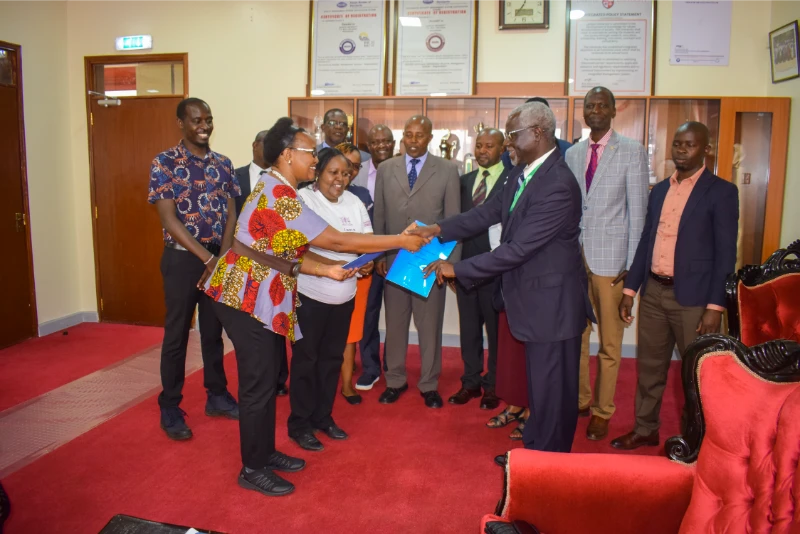
On March 25, 2025, a powerful alliance was born at the heart of Laikipia County. In a vibrant and energizing event, Laikipia University and GROOTS Kenya officially launched a landmark strategic partnership aimed at bridging the gap between academia and the grassroots. This strategic partnership is not only a milestone for Laikipia University and GROOTS Kenya but also a crucial step toward advancing Kenya’s Vision 2030, which emphasizes sustainable development, gender equity, and community-driven growth. The collaboration is set to ignite community-led development, advance gender equality, and tackle climate change—head-on.
The event, hosted at Laikipia University’s scenic main campus, wasn’t just a formal affair. It was a celebration of shared values, lived experience, and the limitless potential that emerges when knowledge meets community action. From faculty and students to grassroots champions, the spirit of unity and transformation filled the air.
At the forefront of the celebration was GROOTS Kenya’s Executive Director, Ms. Rachel Kagoiya, Grants and Operations Manager, Ms. Eunice Mwangi, accompanied by a passionate team of grassroots leaders—women and youth who have long been the backbone of community resilience. Their presence, stories, and commitment reminded all attendees why this partnership matters. The day began with a courtesy visit to Vice Chancellor Prof. Kibett Rotich, where both institutions signed a Memorandum of Understanding (MoU)—marking the formal start of this transformative journey. The MOU was initially conceived through the efforts of a Community-Based Organization (CBO) names Dearing Eagles, with GROOTS Kenya later stepping in to provide Technical Support, Led by Peter, Bill and Dennis.
The event drew the attention of key public officials, including Mr. Peter Koro, Conservator of Forests, and Assistant Chief Ms. Martha Githengi. Their involvement underscored the importance of cross-sector collaboration in achieving national goals like environmental conservation, community resilience, and gender inclusion. Their messages affirmed that the government stands ready to walk alongside communities and institutions in creating lasting impact.
A Partnership Rooted in Purpose
This strategic alliance is more than just paperwork—it is a bold commitment to co-creating solutions to some of the most pressing challenges facing Kenyan communities. Together, Laikipia University and GROOTS Kenya will roll out joint programs in:
Climate change research and action
Women’s economic empowerment
Sustainable agriculture and food systems
Civic engagement and community leadership
GROOTS Kenya brings to the table decades of experience working with grassroots women across Kenya, while Laikipia University offers cutting-edge research, innovation, and a growing student base ready to apply knowledge where it matters most. “This partnership gives visibility and legitimacy to grassroots communities and their work” Ms. Eunice Mwangi noted in her speech.
Grounding the Vision in Action
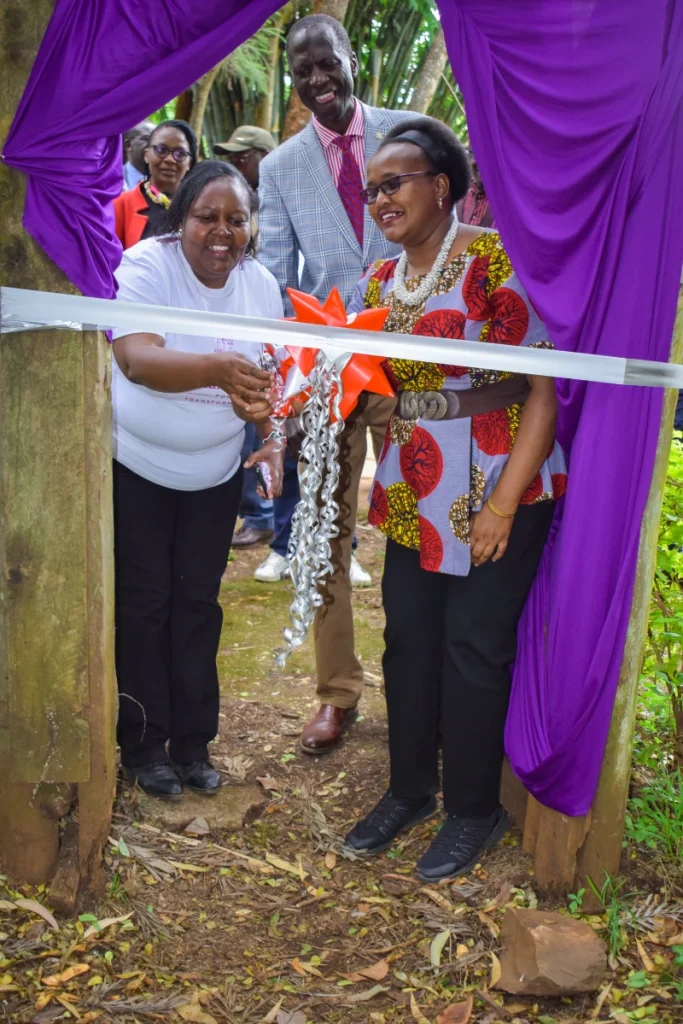
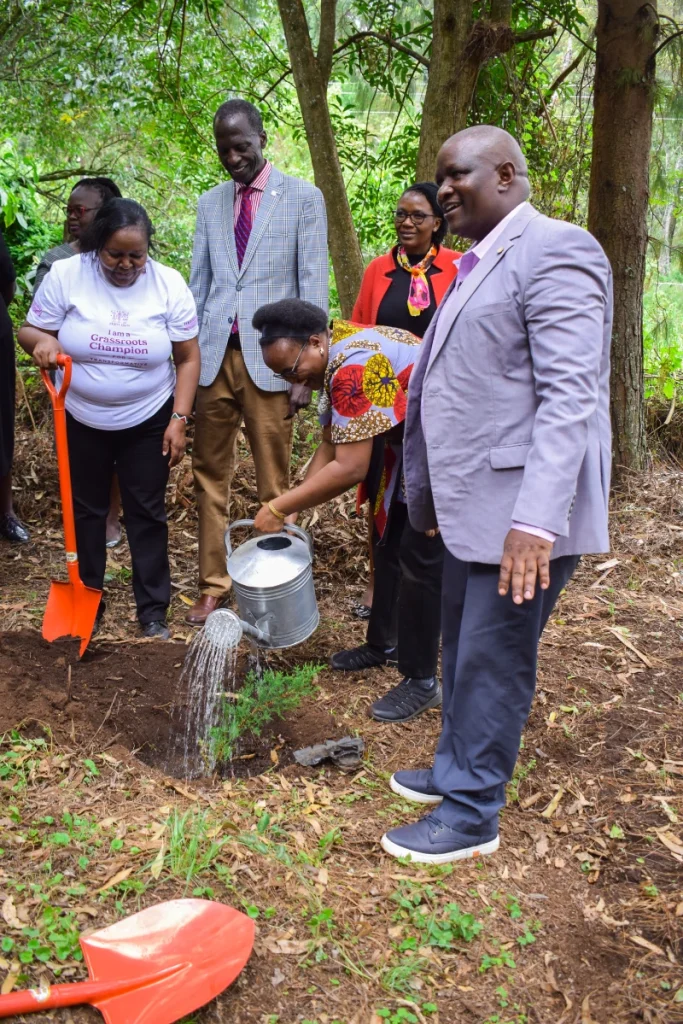
The launch day wasn’t just about speeches—it was hands-on and symbolic. Attendees participated in the donation and planting of fruit tree seedlings, and the unveiling of a tree nursery at the university farm—a powerful gesture of environmental responsibility and shared growth.
In an interactive dialogue session, grassroots champions shared moving testimonies—stories of resilience, leadership, and how access to knowledge and opportunity can transform entire communities. University representatives echoed the call, pledging to embed real-world impact into their academic mission.
Looking to the Future
As Mr. Peter Koro noted during his speech, environmental conservation isn’t just a policy goal—it’s a community mission. He emphasized the role partnerships like this play in helping Kenya meet its reforestation and climate targets. Assistant Chief Martha Githengi reaffirmed the government's commitment to supporting locally driven solutions, ensuring that the momentum created by this partnership continues to grow.
This partnership isn’t just about projects. It’s about reimagining how institutions and communities can work together—as equal partners—to unlock potential, empower the most marginalized, and create a sustainable future for all.
With hearts aligned and hands joined, Laikipia University and GROOTS Kenya have set out to plant more than trees—they’re planting hope, leadership, and transformation across Laikipia and beyond.
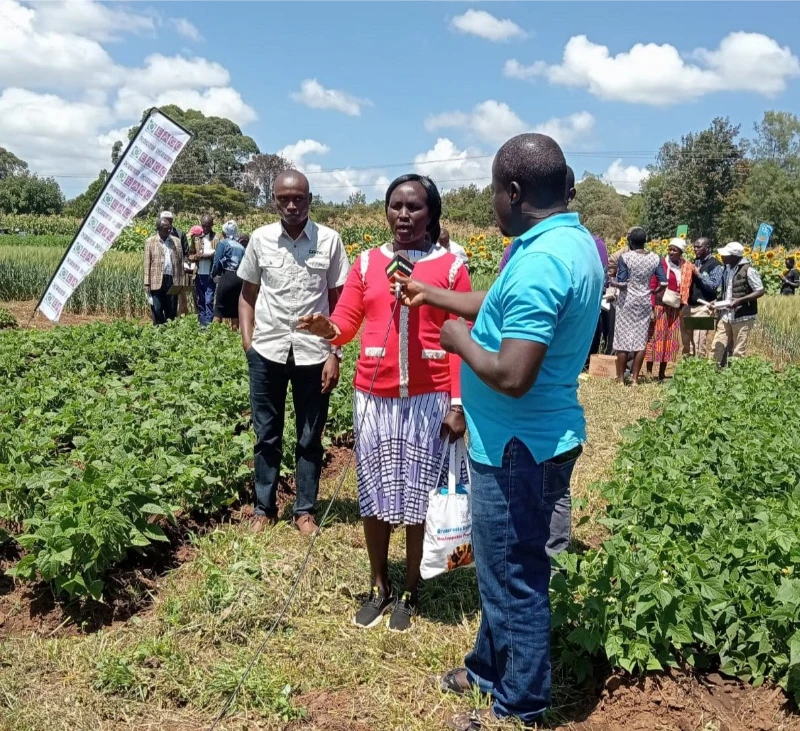
Last week, 35 GROOTS Kenya champions from #Baringo and #Nakuru Counties participated in the Agri-Business Expo hosted at KALRO Njoro. Themed Climate Smart Technologies and Practices for Sustainable Food Systems, the event organized by the Eastern Africa Grain Council brought together 40 industry players, 1500 farmers, and key stakeholders.
Participants explored hands-on crop and livestock demonstration units, targeted business-to-business (B2B) meetings, tailored farmer training sessions, and stalls exhibiting high-tech and innovative machines. The hands-on training sessions in good agricultural practices and business management aimed to help farmers optimize their land use, improve crop yields, and embrace climate-smart technologies, all contributing to sustainable food systems.
Monica Keben, GROOTS Kenya's champion from Baringo, highlighted in her Citizen TV interview how the expo enabled her to connect with suppliers & trainers, learning innovative practices to improve her farming methods.
Nakuru County’s CECM of Agriculture, Livestock, Fisheries and Cooperatives Mr. Leonard Bor during his keynote address emphasized the county's commitment to supporting smallholder farmers, aligning with the County Integrated Development Plan (CIDP) 2023-2027, which focuses on sustainable agricultural practices, market expansion, and value-addition opportunities for premium produce.
This collaboration is a step forward in promoting climate-smart agriculture and ensuring food security for generations to come.
There is need for more investment on Gender disaggregated data and information to streamline gender issues in the country.
This is according to GROOTS Kenya-an organization championing for the rights of women at grassroot level in Kenya.
GROOTS Kenya Chief Executive Officer Fridah Githuku notes that journalists writing gender stories have had difficulties in accessing gender data.
It is for this reason that GROOTS Kenya has taken the initiative to harvest gender data from different stakeholders with focus being launching a Gender Data Dash Board where journalists will be able to access when writing stories on gender.
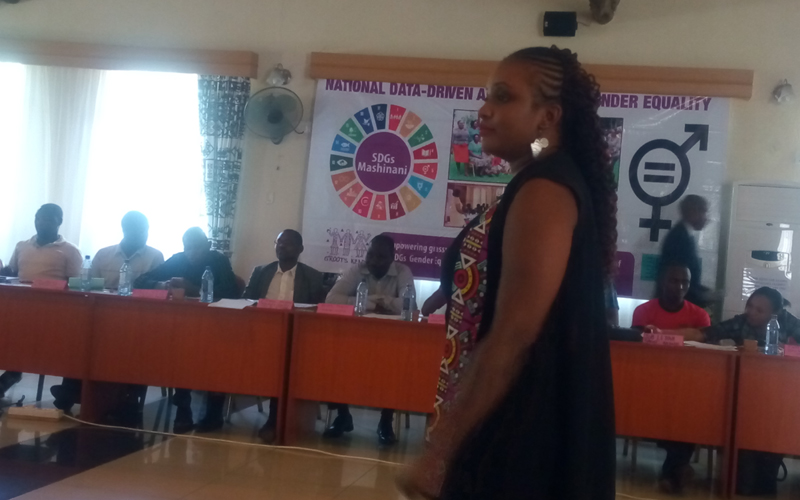
Ms Githuku was addressing journalists from various counties who converged in Machakos over the weekend for a two day workshop on gender reporting.
She said the launch of the Gender Data Dash Board will help save time for journalists whom she noted need quick and accurate information that can be accessed.
The online portal that is expected to be launched early next year will only require journalists to quote the source of the data that shall have been collected from various stakeholders but under one point of access.
“As journalists when you are writing a story you don’t have the privilege of time and therefore this dash board will help address that as it will be easily accessible” said Ms Githuku.
According to the Global Gender Index that was launched this year, Kenya has made some progress compared to other countries in Africa and the World as far as Gender issues are concerned.
Ms Githuku challenging journalists in the country to also make good use of the Global Gender Index when writing on Gender issues.
She urged the both counties and National government to invest more on the Gender disaggregated data and information.
“The moment you know the progress that women are making or areas that need investment then we will be able to ensure resource allocation. That’s why we cannot have gender budgeting if we do not have Gender disaggregated data and information” said Ms Githuku.
PHOTO/Pristone Mambili:GROOTS Kenya Chief Executive Officer Fridah Githuku during a workshop for journalists on Gender data reporting.
KUNA haja ya wanawake kupata nafasi katika maswala mengi ya kijamii, imejadiliwa kwenye kongamano moja Maanzoni Lodge, Machakos.
Mkurugenzi wa shirika la Groots Kenya Bi Fridah Githuka alisema Alhamisi kwamba kwa muda mrefu wanawake hawajapata haki yao katika maswala mengi ya uongozi.
Mkurugenzi wa shirika la Groots Kenya Bi Fridah Githuka. Picha/ Lawrence Ongaro
Alisema shirika hilo linahamashisha wanawake kote nchini kuhusu haki zao.
Baadhi ya maswala muhimu wanayoangazia ni maswala ya urithi wa vipande vya ardhi kwa wanawake, uongozi, uhifadhi wa mazingira, na maswala ya maabukizi ya Virusi Vinavyosababisha Ukimwi; HIV-Aids.
Kongamano hilo liliangazia maswala ya kuhifadhi data kuhusu maswala ya ardhi na jinsi ambavyo wanawake wametengwa ikija kwa suala la urithi.
Hafla hiyo ilikuwa chini ya National Data Driven Advocacy for Gender na kufadhiliwa na shirika la Groots Kenya.
“Lengo letu kubwa ni kuwahamasisha wanawake ili wawe na ufahamu ya haki zao,” alisema Bi Githuku.
Aliyasema hayo mnamo Alhamisi katika mkahawa wa Maanzoni Lodge, Kaunti ya Machakos kwenye hafla ya kuwahamasisha waandishi wa habari jinsi ya kuripoti maswala yanayowahusu wanawake moja kwa moja.
Waandishi wapatao 30 kutoka kaunti tofauti walihimizwa kujihusisha pakubwa na maswala ya wanawake ambao hawajaangaziwa sana katika maswala mengi na nyanja mbalimbali.
Bi Githuka aliwahimiza kuangazia maswala ya ubakaji na matakwa ya wanawake.
Ukakamavu
Mwandishi na aliyekuwa mhariri katika kampuni ya Nation Media Group, Plc Bi Njeri Rugene aliwahimiza waandishi wa habari kuwa na ukakamavu wanaporipoti habari zao.
“Kabla hujaripoti habari kamili, ni sharti ufanye utafiti wako vyema. Sio vyema kuandika mambo yasiyo sahihi,” alisema Bi Rugene.
Alitaja kesi za unajisi na ubakaji kama nyeti na ambazo zinastahili kuandikwa kwa umakini mkubwa bila kuibua taharuki.
“Ukiwa mwandishi, sharti uwe makini unaporipoti habari yoyote. Sio vyema kuandika jambo linaloweza kuzua utata kwa familia na kwako pia kama mwandishi,” alisema Bi Rugene.
Waandishi walihimizwa kuwa mstari wa mbele kuangazia wananchi kinachoendelea katika jamii.
“Kila mwandishi anastahili kujituma na kujitokeza na habari zilizofanyiwa utafiti wa kina,” alisema Bi Rugene.
KUHIFADHI data za maswala muhimu kunahitajika ili kupata ukweli halisi wa jinsi mambo yalivyo.
Maafisa wa serikali kadha; kutoka Kaunti ya Nairobi, Kiambu, na Kajiado, walihudhuria kikao cha kujadili hali za wanawake kwenye kongamano la National Data-Driven Advocacy for Gender Equality lililoandaliwa katika mkahawa wa Maanzoni Lodge, Kaunti ya Machakos.
Mkurugenzi wa shirika la Groots Kenya linalojishughulisha zaidi na kutetea haki za wanawake mashinani Bi Fridah Githuku, alisema mkutano huo ulifana kwa sababu waandishi wa habari wapatao 30 walipata taswira bora kuhusu data za maswala muhimu ya kijamii.
“Nina matumaini ya kwamba waandishi wa habari wataangazia maswala mengi waliyoelezwa kuhusu changamoto kadha zinazoshuhudiwa katika jamii,” alisema.
Baadhi ya mambo muhimu yaliyojadiliwa kwa kina ni kuhusu umiliki wa vipande vya ardhi kwa wanawake wajane, na kadhia ya wasichana kuozwa wakiwa wadogo.
Maafisa wa serikali waliohudhuria hafla hiyo walielezea kwa kina data halisi za maswala hayo katika sehemu husika hapa nchini.
Serikali inahitaji kutafuta mbinu ya kushinikiza wale wanaotumia vibaya wafanyakazi; hasa wanaofanya za sulubu kuwalipa angalau pesa kiasi za kuwawezesha kukidhi mahitaji bila ugumu.
Mkutano ulijadili jinsi ambavyo watu wengi wamenyanyaswa; hasa wanawake ambapo imedaiwa hufanya kazi muda wa saa nyingi licha ya changamoto tele zilizopo.
Hafla hiyo ilijadili mengi kuhusu wanawake na wasichana ikidaiwa hukosa kumiliki hatimiliki za vipande vya ardhi kutokana na maswala ya utamaduni.
Kulingana na mkutano huo, ilibainika kuwa wasichana wadogo chini ya umri wa miaka 15 hukeketwa bila hiari yao. Ilielezwa kwamba kitendo hicho bado kinaendelea kisiri bila serikali kujua.
Kulingana na data ya kiafya mwaka wa 2014 asilimia 27.4 ya wasichana waliolewa chini ya umri wa miaka 16 ikilinganishwa na 1989 ambapo wasichana asilimia 44.5 walioolewa.
Utafiti huo uliyoendeshwa na Shirika la Groots Kenya umebainisha kuwa Kaunti ya Kakamega asilimia 84 ina wafanyakazi wengi wanawake wasiolipwa chochote huku wakifanya kazi za sulubu ikilinganishwa na asilimia 16 ya wanaume wanaoedesha kazi ya bwerere bila malipo.
Katika Kaunti ya Kiambu asilimia 80 ya wanawake ndio hufanya kazi ya sulubu nao wanaume wakiwa ni asilimia 20.
Wananchi wamehimizwa kufanya juhudi kuzuru afisi za serikali katika jumba la GPO, ili kutazama data tofauti zinazoangazia maswala mengi ya serikali.
“Afisi hizo ziko wazi kwa mwananchi yeyote ambaye angetaka kujijulisha mengi kuhusu jambo lolote lile kuhusu data kwa mambo ya serikali,” alisema Mkurugenzi huyo wa Groots Kenya.
Waandishi wa habari walipewa changamoto kuhakikisha ya kwamba wamezuru sehemu kadha mashinani na kufanya juhudi kuandika habari kuhusu yanayokumba jamii.
Mfano wa maswala hayo ulikuwa ni ndoa za mapema, wanawake kukosa haki zao hasa mashinani, na maswala ya ukeketati kwa wasichana.
Women in western and Nyanza regions are the most discriminated in terms of land ownership if data compiled by the Kenya Land Alliance is anything to go by.
A survey by the alliance ranks Kisumu and Siaya poorly, with less than three percent of women in the counties owning land.
According to the 2018 Kenya Land Alliance survey done in 43 land registration centres, counties with the least number of women with land title deeds issued by government between 2013 and 2017 include Kisumu at 2.32 percent, Siaya (2.92 percent), Homa Bay (4 percent), Vihiga (4.53 percent) and Busia (4.25 percent).
OPEN DISCRIMINATION
The survey, which analysed data from land registries, indicates that women in the two regions are still facing open discrimination in land ownership due to cultural barriers.
Counties with the highest number of women possessing the land documents include Embu (61.48 percent), Lamu (55.73 percent), Laikipia (54.67 percent), Nakuru (41.35 percent) and Murang’a at 38.31 percent.
Despite friendly court rulings and law reforms, women are still disadvantaged in land ownership.
Data from the Kenya Land Alliance shows most land is still registered under men in most of the 47 counties.
In some areas, land registered under women is less than five per cent. Kisumu is where land registered under women is 2.32 per cent compared to men at 97.42 per cent.
In Nandi, women own 4.61 per cent while men control 93.49 per cent; 7.57 per cent vs 91.31 per cent in Narok South, 4.27 versus 93.58 in South Nyanza, 4.53 versus 94.73 in Vihiga and 4.04 versus 94.45 in West Pokot.
Other areas where men control larger portions of land are Kitui 71.96 per cent versus 12.68, Kwale with 82.63 versus 11.82, 84.85 versus 13.88 in Mbeere (Embu), 92.73 versus 5.99 in Nyando (Kisumu) and 76.09 vs 19.04 in Trans Mara (Narok).
Grassroots Organisations Operating Together in Sisterhood (Groots Kenya) voiced concerns over the data showing that women in some regions owned little to zero land.
For More of This and Other Stories, Grab Your Copy of the Standard Newspaper.
Speaking during a data training on gender, Groots Executive Director Fridah Githuku said distribution of land had not made progress in regard to gender inequality.
Culture was one of the reasons cited as to why women were discriminated against on matters of land rights.
Loses her husband
“When a woman loses her husband, in most cases, we see her in-laws coming to take over ownership of the brother’s property, leaving the widow at their mercy,” said Ms Githuku.
She urged the Government to look into such disparities, especially in Nyanza and Western regions. There are, however, some areas where women own bigger portions of land. They include Lamu, where women control 55.73 per cent, compared to men's 37.09 per cent, and in Embu, where 61.48 belongs to women while men have 34.43 per cent.
In some areas land ownership for men and women is almost at the same level. Ownership in Naivasha, for instance, stands at 13.10 per cent for men, against women's 19.21 per cent. “In Naivasha, 67 per cent of the land is not owned by either women or men, but by companies such as Delamare,” said Githuku.
Several court rulings in the country have tried to equalize land possession rights between men and women.
One such ruling was by Justice Lucy Waithaka in a Nyeri court last February. She ruled that married women were entitled to inherit their fathers' land.
This was an unprecedented move, as culturally, once a woman is married, she is cut off from her relatives as she belongs to the husband’s community.
Women have called on the government to move with speed and equip local communities living in group ranches and community land with accurate and open information relating to compliance of the parcels of land to avoid misinformation, exploitation and extortion of these communities.
Speaking during the International Day of Rural Women which seeks to celebrate and honour the role of rural women by recognizing their importance in enhancing agricultural and rural development, Jennifer Kasana Groots Member from Laikipia pointed out that women have been left out in the land matter which has hampered their access to financing.
“Without control over land and other productive resources, women’s access to financial credit remains a challenge. While we note that the government of Kenya has established Affirmatives funds, WEF, Uwezo Fund. YEDF and NGAAF. This is not enough to support rural women’s active participation in the mainstream economy,” said Kasaya
Groots Kenya, Oxfam International, International Land Coalition and Women to Kilimanjaro are now pushing for the implementation of 2016 Community Land Act that guarantees women ownership of their ancestral land.
“We therefore urge the government to explore options that allow commercial banks to extend sufficient and affordable credit to women including strengthening of the credit reference bureau. Financial institutions should explore financial guarantee options and moving towards a single digit lending, and also adopt creative mechanisms to increase women’s access to credit like group lending with joint liability which enables asset poor women make use of social collateral instead of physical collateral.”
The lobby also faulted the land control board over lack of transparency in their appointment of the new land board members noting that rural women need to be included in the board.
“Grassroots rural women need to be in the land control boards to protect and curb the unfortunate culture of illegal transfer of matrimonial property without spousal consent”
Women in rural areas want their unpaid care work to be recognised during the splitting of property with their partners.
Prevailing gender norms means women and girls spend more time on unpaid care work such as looking after children, the elderly, caring for the sick, preparing food, cleaning and collecting water and fuel.
Hellen, a mother of three, is up by 5am every day. Her first duty is to milk the cows and take the milk to the dairy. She then wakes her three children and readies them for school.
By the time her husband wakes up, she is taking care of their cows.
"When I get back from feeding the cows, I do the dishes for everyone and clean the house. I then rush to the farm because the rainy season is here," she said.
She gets back to the house at lunchtime to ensure her children and husband have food.
"By the time the children are back home at 4pm, I still have to cook supper, milk the cows in the evening and take care of my husband in bed," she said.
"We don't want to get paid, just appreciated. We want our work recognised and our efforts appreciated."
She spoke to the Star during a press conference to commemorate International Rural Women's day at Ufungamano House on Tuesday.
"We want out work to be recognised so that we are not left out during splitting of property because we have helped build it and because it is hard to remunerate the amount of contribution," she said.
A study by Organization for Economic Co-operation and Development shows globally, women will spend two to 10 times more time on unpaid care work than men.
"Women, on average, spend between three and six hours on unpaid care activities while men spend between half an hour and two hours," the study shows.
Unpaid care work is described as work that contributes to the economy or productivity of the nation but it is not quantified or recognized.
GROOTS Kenya executive director Fridah Githuku said unpaid care work needs to be redistributed between men and women.
According to UN women, as a result of unpaid care work, women have less time to engage in paid labour, or work longer hours combining both unpaid and paid work.
Women's unpaid work subsidizes the cost of care that sustains families, supports economies and often fills in for the lack of social services.
"If we have more access to clean energy then women do not have to spend a lot of time fetching firewood and if our hospitals are properly equipped, it means Kenyans will have the sick people being taken care of in hospitals and we spend less time taking care of the elderly," Githuku said.
Redistribution can be achieved through improving infrastructure to ensure access water, sanitation, roads and healthcare.
The government can also invest in family care service, maternity and paternity leave policies and flexible work arrangements.
The director added that the government had made a commitment to begin collecting data on unpaid care work in Kenya.
According to a UN Statistics Division survey of 126 countries, only 42 per cent regular produce data on unpaid care work and Kenya is not among them.